Mapping Fever Hotspots to Support Vaccine Trials
Rift Valley fever (RVF) is a mosquito-borne zoonotic disease that primarily affects livestock and can spill over into human populations through direct livestock contact or mosquito bites, causing severe outbreaks. RVF has substantial public health and economic consequences, driven in part by high livestock mortality and the expansion of environmentally suitable mosquito habitats. As a result, the Coalition for Epidemic Preparedness Innovations has identified RVF as a priority pathogen for its 100-day mission to accelerate the development of vaccines, therapeutics, and diagnostics.
RVF emergence occurs at the interface of dense mosquito populations, susceptible livestock, and increased human exposure. These interacting dynamics make RVF outbreaks spatially and temporally sporadic, complicating decisions about when and where vaccine trials should be implemented. One potential solution is to forecast areas of elevated risk. Mosquito abundance is driven largely by environmental factors, particularly rainfall and flooding, while livestock and human population densities can be mapped to identify potential hotspots.
An additional challenge is the seasonal movement of livestock through nomadic herders and trade, which alters local transmission dynamics and can create transient hotspots of elevated risk. At the same time, outbreaks often occur in hard-to-reach communities, where surveillance systems and access to care are limited, making timely detection difficult and increasing uncertainty around outbreak dynamics.
My research focuses specifically on assessing the feasibility of RVF vaccine trials, including modelling RVF epidemiology and evaluating trial designs during outbreaks. This work draws on a range of modelling approaches, epidemiological investigations, and collaborations with researchers in endemic regions across sub-Saharan Africa.
The project:
This research project will be a descriptive study to map high-risk RVF regions in West Africa (particularly Senegal, the Gambia and Mauritania), collating seasonal livestock movement with environmental drivers and livestock and human distributions. Furthermore, to identify where elevated risk may coincide with surveillance “dead zones.” The work will involve reviewing the literature on migration and trade networks, scraping, collating, and processing publicly available datasets to construct spatial and temporal maps and explore potential hotspots.
This project will directly contribute to our broader RVF forecasting framework and have clear applied impact by supporting local partners in identifying and prioritising potential sites for future RVF vaccine trials.
Ideal candidate:
An interest in infectious disease epidemiology, experience with coding (R or Python), some background or interest in statistics or mathematical modelling and spatial datasets is helpful but not required; willingness to learn independently, problem-solve, and engage with challenging, open-ended research questions is essential.
Some reading:
RVF review: Rift Valley Fever: An Emerging Mosquito-Borne Disease
https://doi.org/10.1146/annurev-ento-010715-023819
Livestock connectivity: Mapping livestock movements in Sahelian Africa
https://doi.org/10.1038/s41598-020-65132-8
RVF in Senegal and drivers: Identification of drivers of Rift Valley fever after the 2013–14 outbreak in Senegal using serological data in small ruminants
https://doi.org/10.1371/journal.pntd.0010024
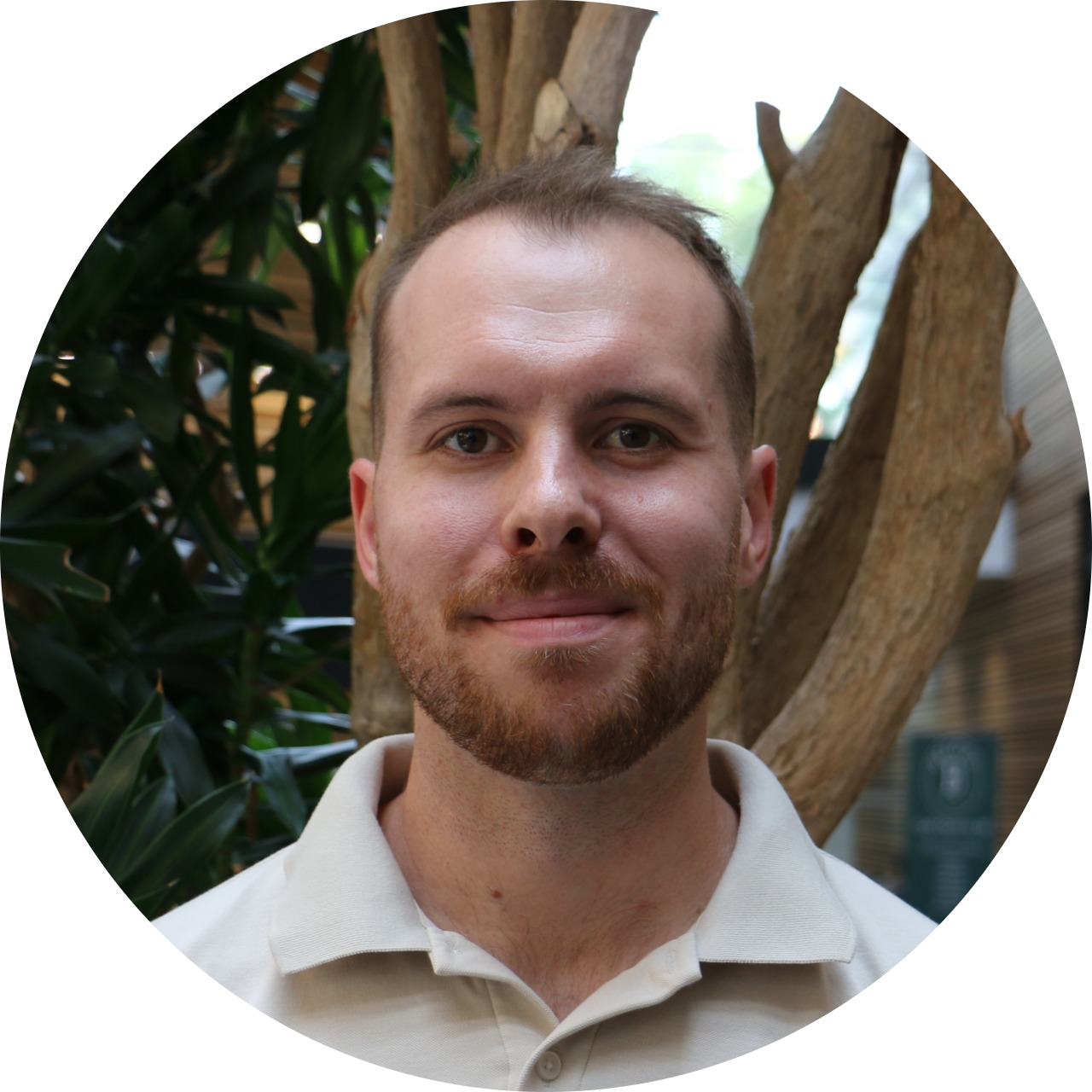
About Ben
I am an infectious disease epidemiologist and modeller focused on understanding and mitigating the spread of pathogens in populations. My research involves modelling transmission dynamics and optimising vaccination strategies, including how vaccines are evaluated under dynamic, outbreak-driven conditions.
I am currently a postdoctoral researcher in Professor Fraser’s Pathogen Dynamics Group at the Pandemic Sciences Institute, contributing to modelling vaccine trial designs for WHO pandemic priority pathogens, with a particular focus on Rift Valley fever. I completed my PhD in infectious disease epidemiology at the University of Hong Kong, where my research focused on SARS-CoV-2 transmission dynamics. My research and field experience have taken me across East and West Africa and into outbreak and emergency response settings. Outside of research, I previously volunteered as a Public Health Advisor with the Hong Kong Red Cross emergency response team.