Which Research Counts as Dual-Use?
Michaelmas 2026 project
Research question
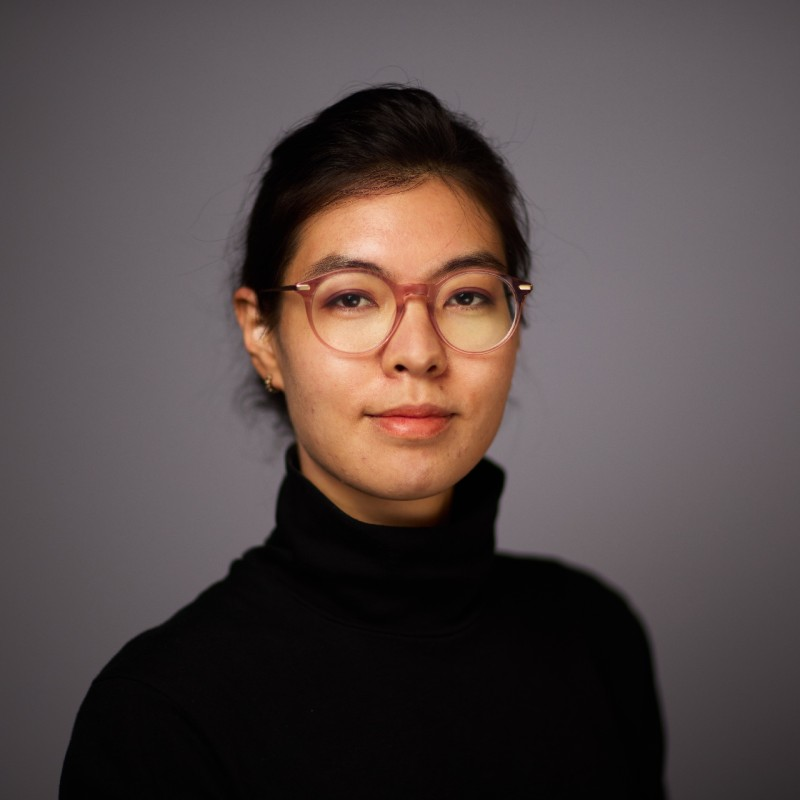
Dr Mira Rothweiler is a pharmacist and researcher with a DPhil in Clinical Medicine from Oxford. Her research background includes medicinal chemistry, drug discovery and drug delivery, alongside an interest in biosecurity and dual-use biological research.
What makes research dual-use? Policy documents use the term increasingly, but the criteria that define it are rarely tested on actual research papers. This project asks whether existing criteria can be applied consistently, and what they miss.
Project outline
The participant will build a dual-use screening checklist from existing criteria and test it on published papers.
Weeks 1–3: reading. The participant gets familiar with the main criteria used to define dual-use research of concern, including the standard categories of experiments of concern, national oversight policies, and the relevant UK rules, and with what each one counts as risky.
Weeks 3–6: the participant turns these into one checklist with clear decision rules, then applies it to about 100 recent papers and preprints from one area of the life sciences, chosen at the start.
Weeks 6-8: the participant records which papers were flagged and by which criterion, where the checklist was unclear or gave conflicting answers, and which papers looked concerning but were not flagged at all. Output: a short report and a checklist.
The project only uses published papers.
Impact case
Policy assumes that concerning research can be identified, but this has not been tested on a sample of real papers. Funders and universities are increasingly asked to require dual-use assessment, and it is usually non-specialists who would carry it out. Both the checklist and the list of cases it fails on are useful outputs.
Ideal candidate
This project suits a STEM student, for example in the life sciences, biochemistry or computational biology, who finds the question of what counts as dual-use interesting and wants to think about where the line should be drawn and who should draw it. The participant should be comfortable reading papers outside their own subject, because the sample will include unfamiliar methods.
Studying a STEM subject, able to read research papers independently
Interested in what makes research dual-use, and willing to question existing definitions rather than just apply them
Able to follow a written protocol and keep records over several weeks
Comfortable with unclear cases, since the main finding is about papers the criteria cannot classify